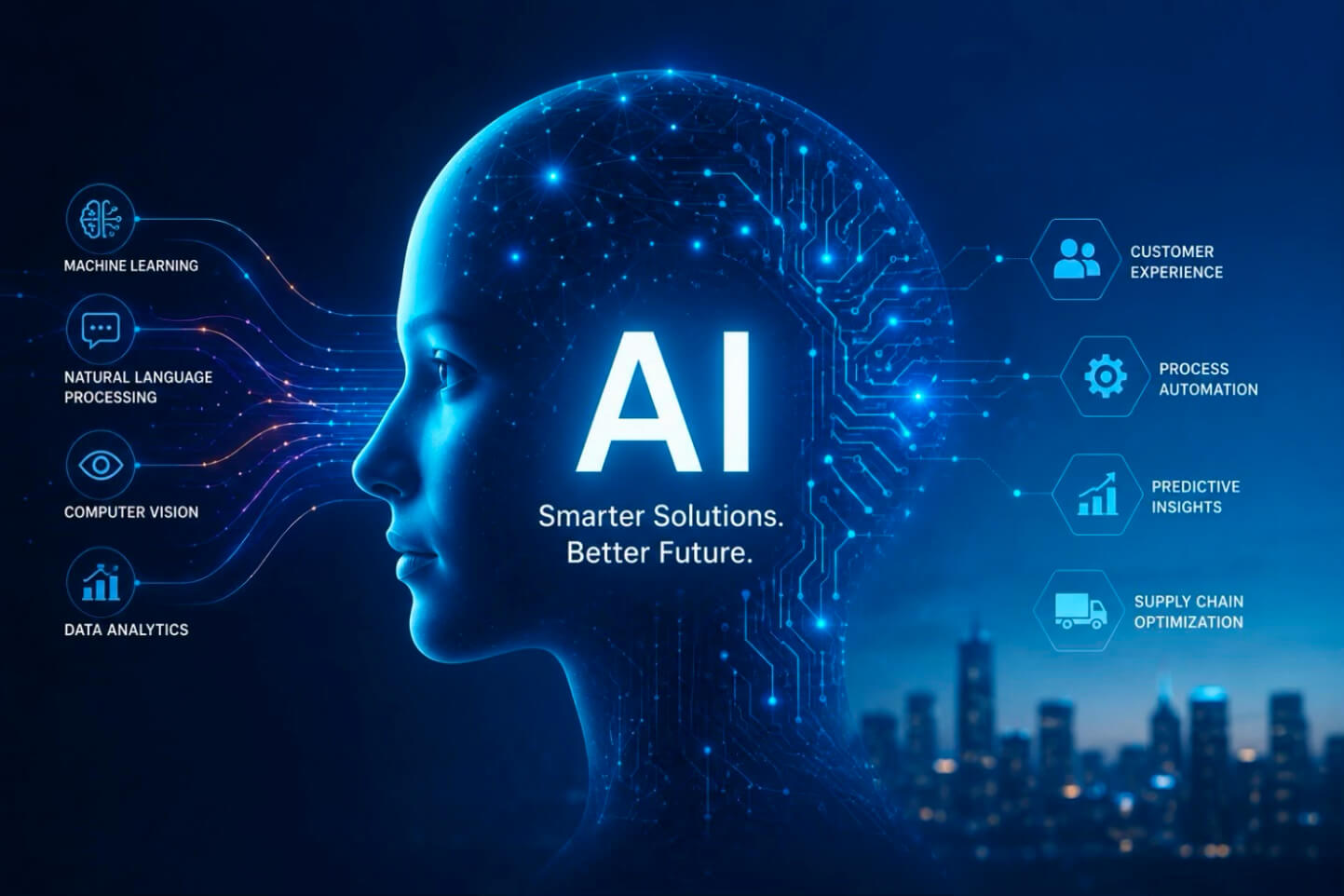
Artificial Intelligence (AI) is a revolutionary blend of advanced technologies that empowers machines to think, learn, analyse, and make decisions in ways that closely resemble human intelligence. Rather than being a single technology, AI is an ecosystem of interconnected disciplines such as Machine Learning, Deep Learning, Natural Language Processing (NLP), Computer Vision, Predictive Analytics, and Cognitive Computing. Together, these technologies enable systems to process vast amounts of information, identify patterns, solve complex problems, and continuously improve their performance through experience and data.

In today’s digital era, AI has become a key driver of innovation, efficiency, and business transformation. By combining intelligent algorithms with data analytics and automation, organizations can streamline operations, enhance customer experiences, improve decision-making, and unlock new growth opportunities. Whether optimizing supply chains, automating routine tasks, personalizing customer interactions, or generating predictive insights, AI enables businesses to operate smarter, faster, and more effectively. As industries continue to evolve, Artificial Intelligence is emerging as the foundation of future-ready enterprises, helping organizations stay competitive in an increasingly data-driven world.

Value and Importance of Artificial Intelligence

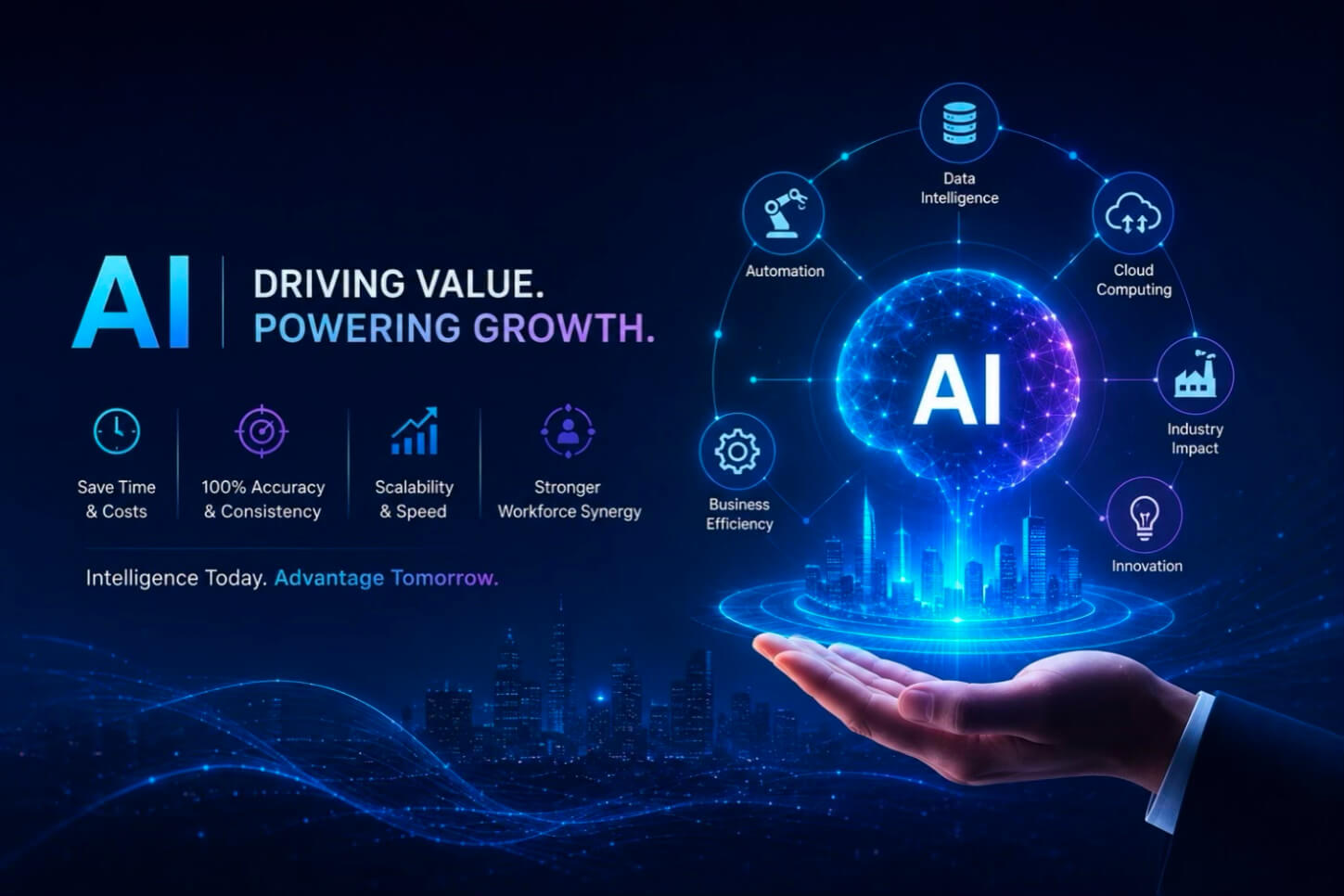
Artificial Intelligence has emerged as one of the most influential technologies of the modern era, transforming the way businesses operate, innovate, and compete. Its applications extend across virtually every industry, including healthcare, finance, manufacturing, retail, logistics, education, and professional services. By automating repetitive tasks, enhancing decision-making capabilities, and optimizing business processes, AI delivers significant value through reduced operational costs, improved productivity, increased accuracy, and better utilization of human resources. Organizations are increasingly leveraging AI to create intelligent workflows that streamline operations while maintaining consistency, transparency, and operational excellence.

The growing availability of data, combined with advancements in cloud computing, high-performance processing, and intelligent analytics, has accelerated the adoption of AI at an unprecedented pace. Businesses now have the ability to analyze massive volumes of data in real time, uncover actionable insights, predict future trends, and respond proactively to changing market conditions. AI-powered systems not only improve efficiency but also enable organizations to scale operations rapidly while maintaining quality and compliance standards. As a result, enterprises can achieve greater agility, resilience, and profitability in an increasingly competitive business environment.

Beyond automation, AI serves as a strategic enabler of innovation and digital transformation. It empowers organizations to develop smarter products, enhance customer experiences, strengthen internal controls, and create data-driven business models. By integrating intelligence into everyday operations, businesses can foster stronger collaboration between management, technology, and workforce teams, creating an ecosystem that supports continuous improvement and sustainable growth. AI enables leaders to make informed decisions faster, reduce business risks, and identify new opportunities for expansion and market leadership.

As industries continue to evolve in the age of digital transformation, AI is becoming a critical investment for future-focused organizations. Companies that prioritize AI-driven solutions today are positioning themselves to achieve long-term competitive advantages through innovation, operational efficiency, and intelligent decision-making. The ability to leverage AI effectively will increasingly determine an organization’s capacity to adapt, grow, and lead in a rapidly changing global marketplace. In the coming years, AI will not simply support business operations—it will become a fundamental driver of enterprise strategy, innovation, and sustainable success.


Advantages of Artificial Intelligence

Artificial Intelligence is transforming the way organizations operate by introducing intelligent automation, data-driven decision-making, and enhanced operational efficiency. Its benefits extend beyond process automation, enabling businesses to improve customer experiences, strengthen governance, reduce costs, and create innovative growth opportunities. Regardless of industry or business size, AI provides organizations with the ability to optimize workflows, increase productivity, and build sustainable competitive advantages in an increasingly digital world.

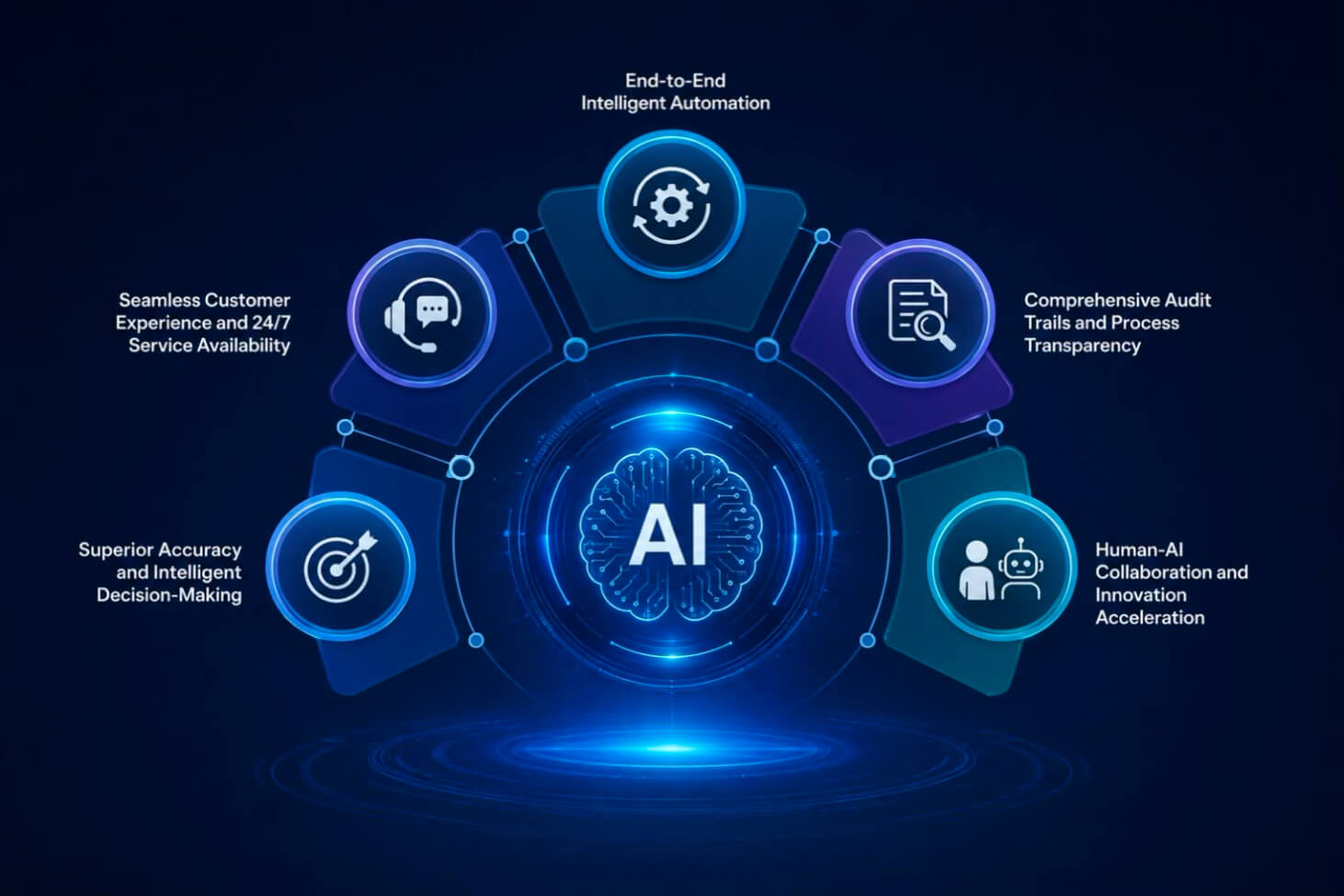
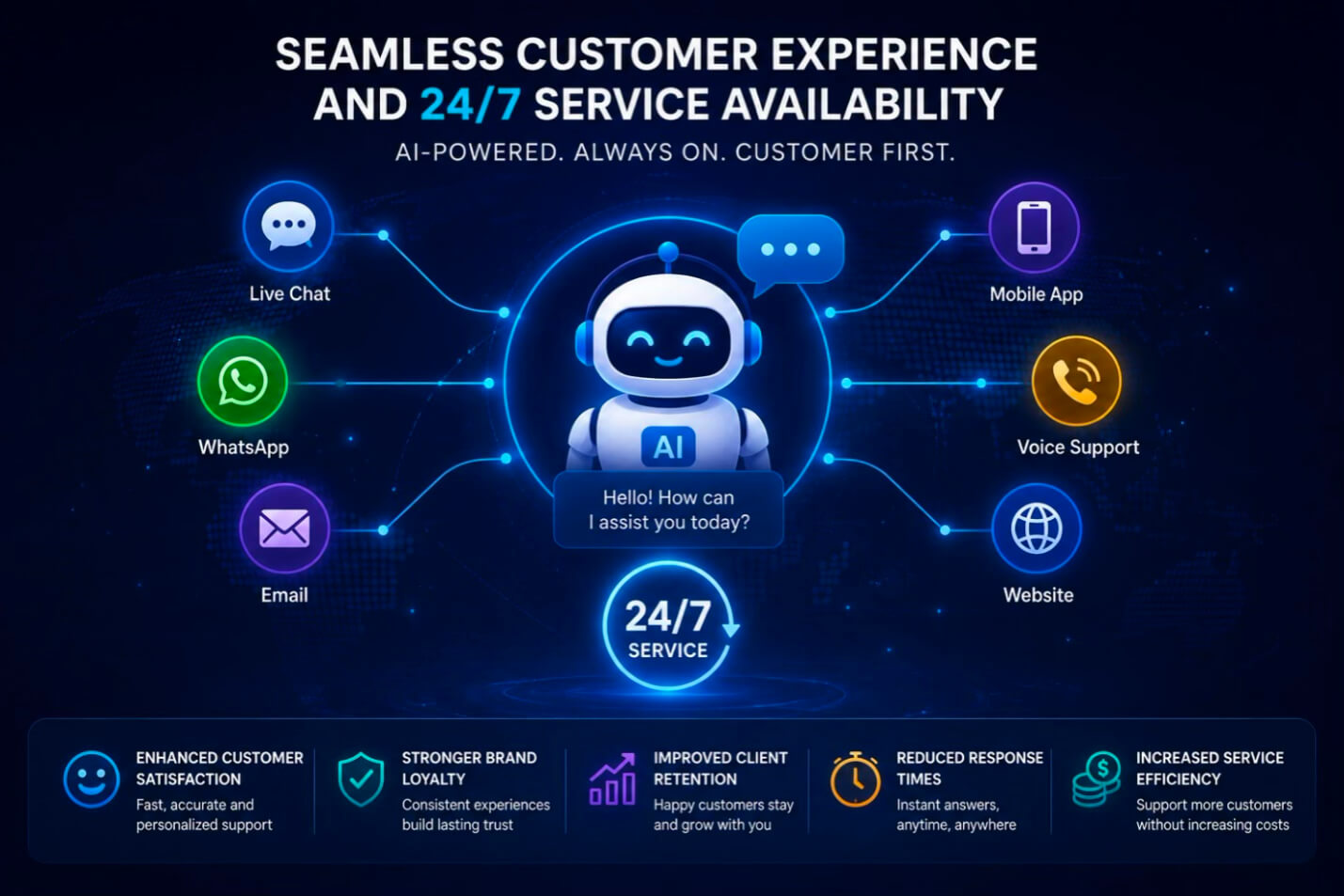
Seamless Customer Experience and 24/7 Service Availability

AI-powered customer engagement solutions enable organizations to deliver consistent, personalized, and round-the-clock support across multiple channels. Intelligent chatbots, virtual assistants, and automated service platforms can instantly understand customer queries, provide accurate responses, and resolve issues without requiring human intervention. By leveraging real-time data and predictive intelligence, AI ensures that customers receive fast, reliable, and highly relevant information whenever they need it.

This seamless service experience significantly enhances customer satisfaction, strengthens brand loyalty, and improves client retention. Organizations benefit from reduced response times, increased service efficiency, and the ability to support a larger customer base without proportionally increasing operational costs.

End-to-End Intelligent Automation

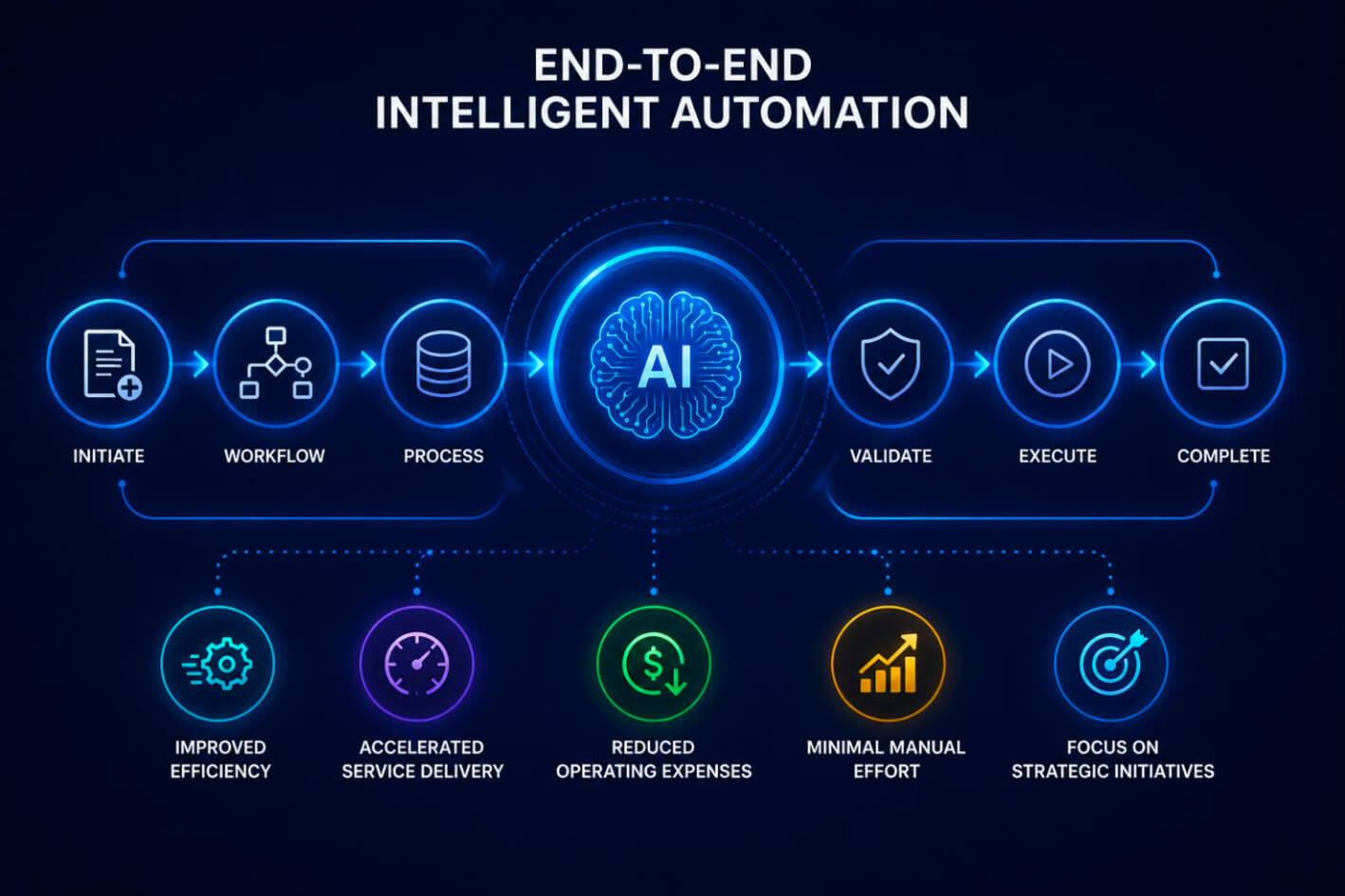
One of the most significant advantages of AI is its ability to automate complete business processes from initiation to completion. AI-powered systems can seamlessly manage workflows, process transactions, validate information, and execute predefined actions with minimal human involvement. This level of automation reduces operational complexity, minimizes manual effort, and ensures consistent execution of business activities.

By transforming complex procedures into simplified and intelligent workflows, AI enables organizations to improve efficiency, accelerate service delivery, and reduce operating expenses. Businesses can focus their resources on strategic initiatives while routine and repetitive tasks are managed automatically through intelligent systems.

Comprehensive Audit Trails and Process Transparency

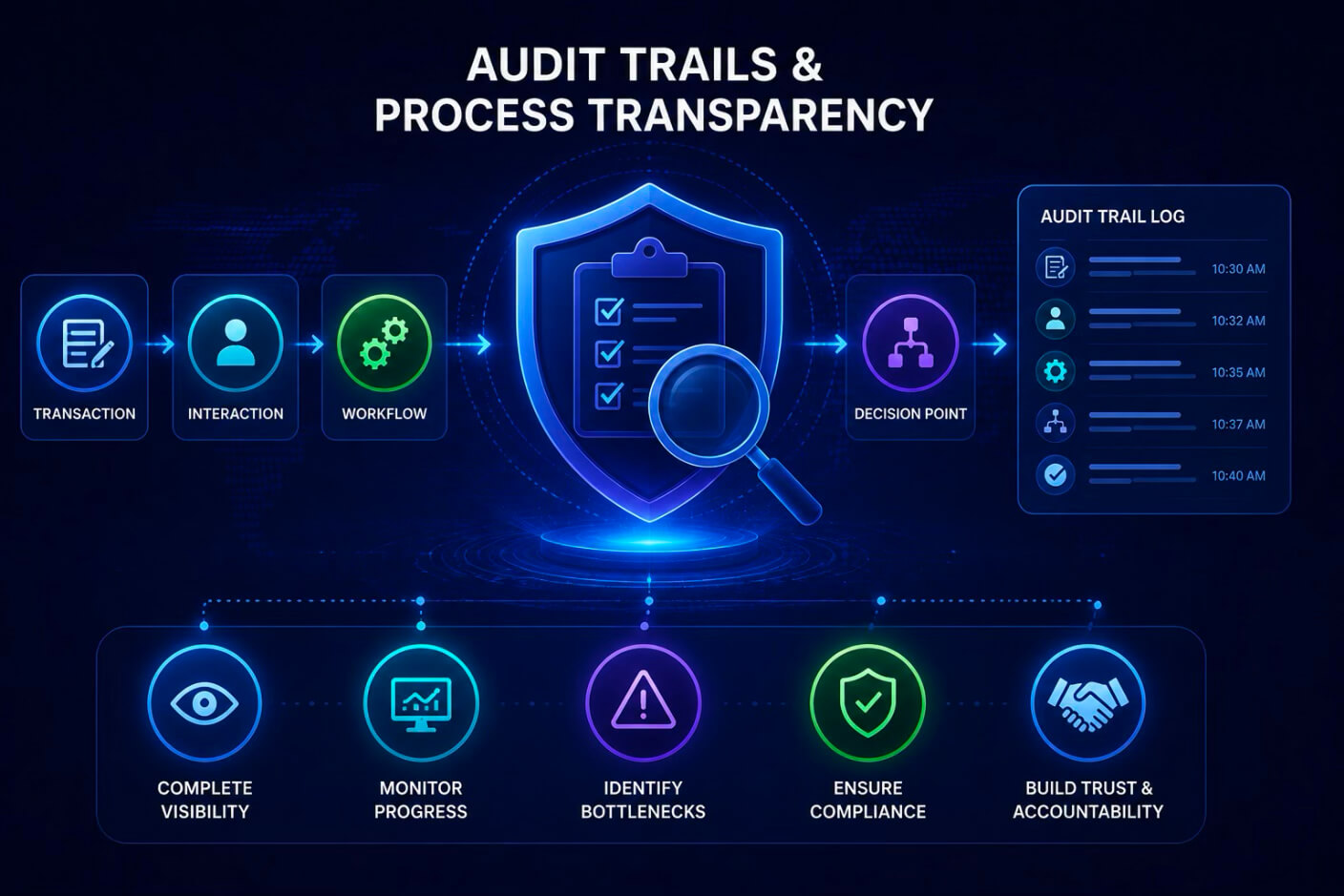
Modern AI platforms are capable of maintaining detailed digital audit trails that record every transaction, interaction, workflow activity, and decision point. This capability is particularly valuable in industries where compliance, accountability, and regulatory requirements play a critical role.

AI-driven audit management provides complete visibility into operational processes, enabling organizations to track customer requests, monitor workflow progress, identify bottlenecks, and ensure compliance with internal and external standards. Enhanced transparency not only improves governance but also strengthens trust among stakeholders, customers, and regulatory authorities.

Superior Accuracy and Intelligent Decision-Making

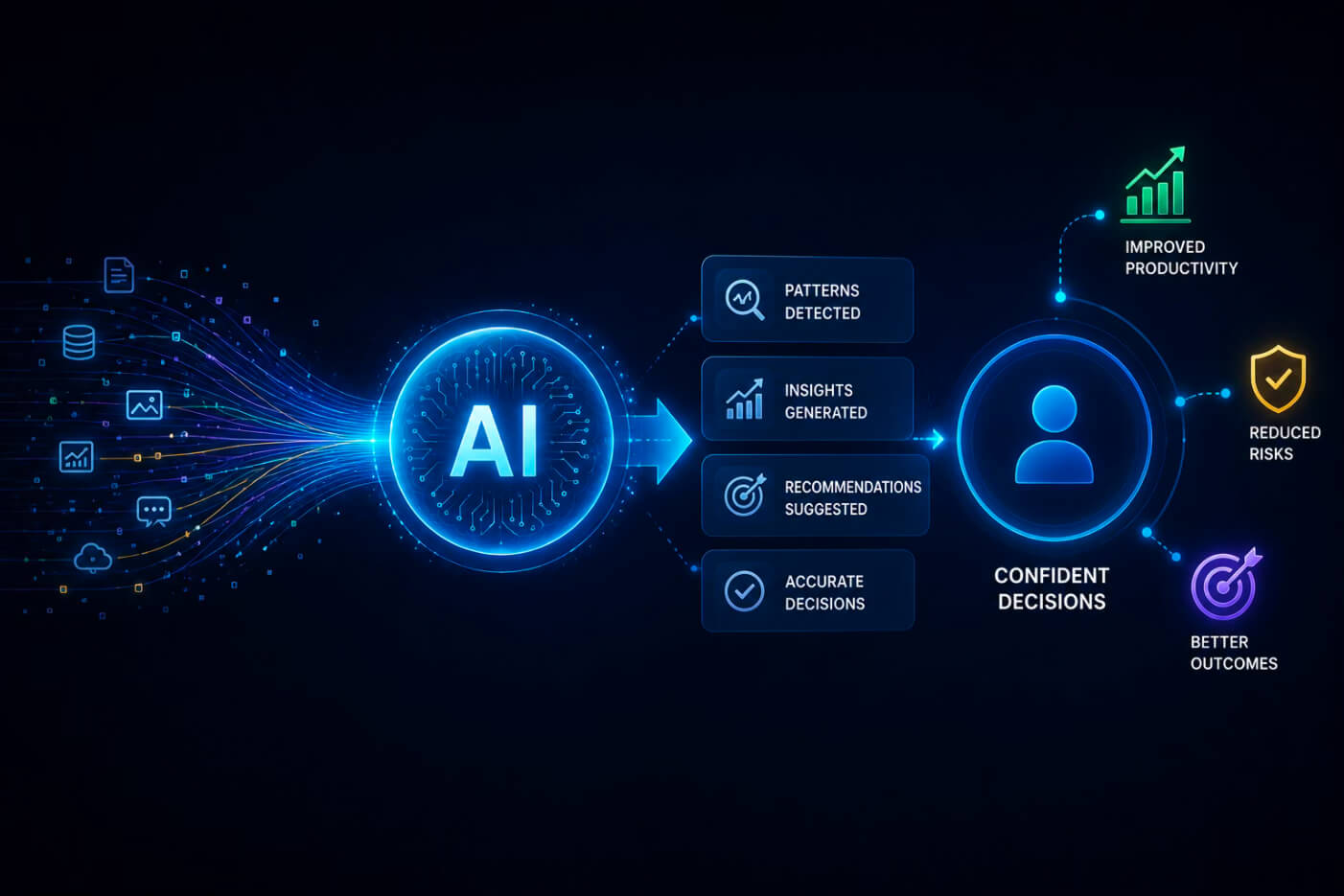
AI systems are designed to process large volumes of data with exceptional speed and precision, significantly reducing the risk of human error. Through advanced analytics, machine learning algorithms, and predictive models, AI can identify patterns, generate insights, and recommend optimal courses of action based on real-time information.

This high level of accuracy enhances operational reliability and empowers employees to make informed decisions with greater confidence. By supporting critical business functions with data-driven intelligence, AI helps organizations improve productivity, mitigate risks, and achieve better outcomes across all levels of operation.

Human-AI Collaboration and Innovation Acceleration

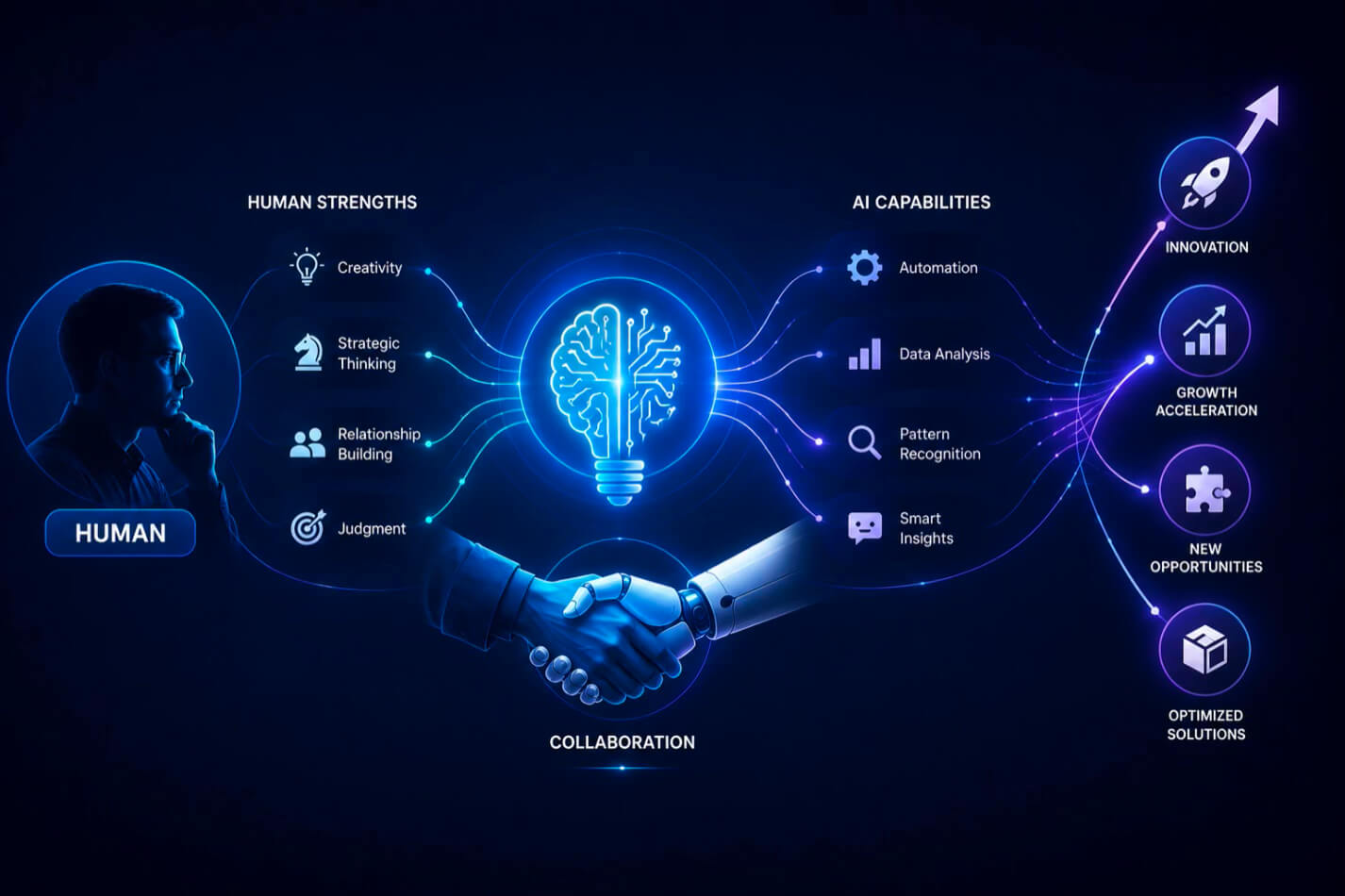
The true power of Artificial Intelligence lies in its ability to complement and enhance human capabilities rather than replace them. AI works alongside employees by automating repetitive tasks, analyzing complex datasets, and providing actionable insights, allowing human talent to focus on creativity, strategic thinking, innovation, and relationship building.

This collaborative relationship between humans and intelligent machines creates a powerful ecosystem where technology amplifies human potential. AI can identify hidden inefficiencies, uncover new business opportunities, and suggest innovative approaches that may not be immediately apparent through traditional methods. As a result, organizations can develop new products, optimize services, create innovative business models, and accelerate growth with unprecedented speed and accuracy.

Building a Smarter and More Competitive Enterprise

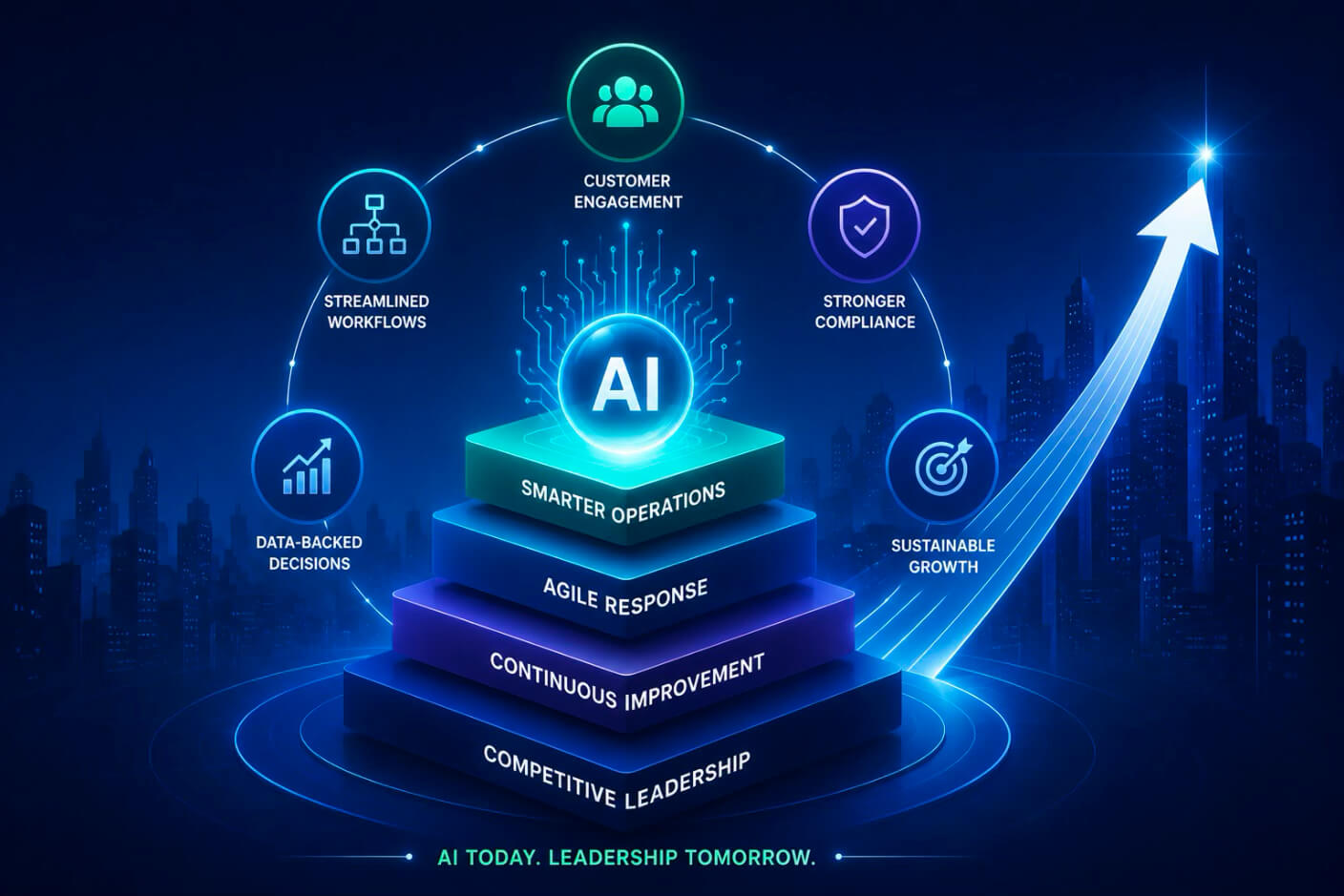
By integrating Artificial Intelligence into core business operations, organizations gain the ability to operate more efficiently, respond more quickly to market changes, and continuously improve performance. AI-driven enterprises benefit from enhanced customer engagement, streamlined workflows, stronger compliance frameworks, and data-backed decision-making capabilities.

As businesses continue to embrace digital transformation, Artificial Intelligence is becoming a strategic necessity rather than a technological option. Organizations that successfully leverage AI today are building the foundation for future innovation, sustainable growth, and long-term competitive leadership in the digital economy.

Moobeesolution Technologies Pvt Ltd Moobeesolution Technologies Pvt Ltd

Office Address

456/B, Madison Avenue Kora Road
New York, NY 10022

Scroll to top